


What it involves
Building a new home or extension in Melbourne, regional Victoria or the Greater Brisbane area starts with knowing what your block's soil will do: its load-bearing capacity and how reactive it is to seasonal moisture change. Our residential soil testing combines on-site DCP fieldwork with laboratory Atterberg and shrink-swell testing per AS 1289 and AS 2870, giving your builder or designer the site classification and foundation advice they need for permit approval.
Applications
- New homes & extensions
- Code compliance
- Structural safety check
- Cost optimisation
What you receive
- Soil composition & strength
- Site classification
- Foundation advice
Method & standard
On-site DCP + lab Atterberg/shrink-swell per AS 1289 & AS 2870. Carried out to AS 2870 – 2011 by Probegeo's MIEAust-certified engineers.
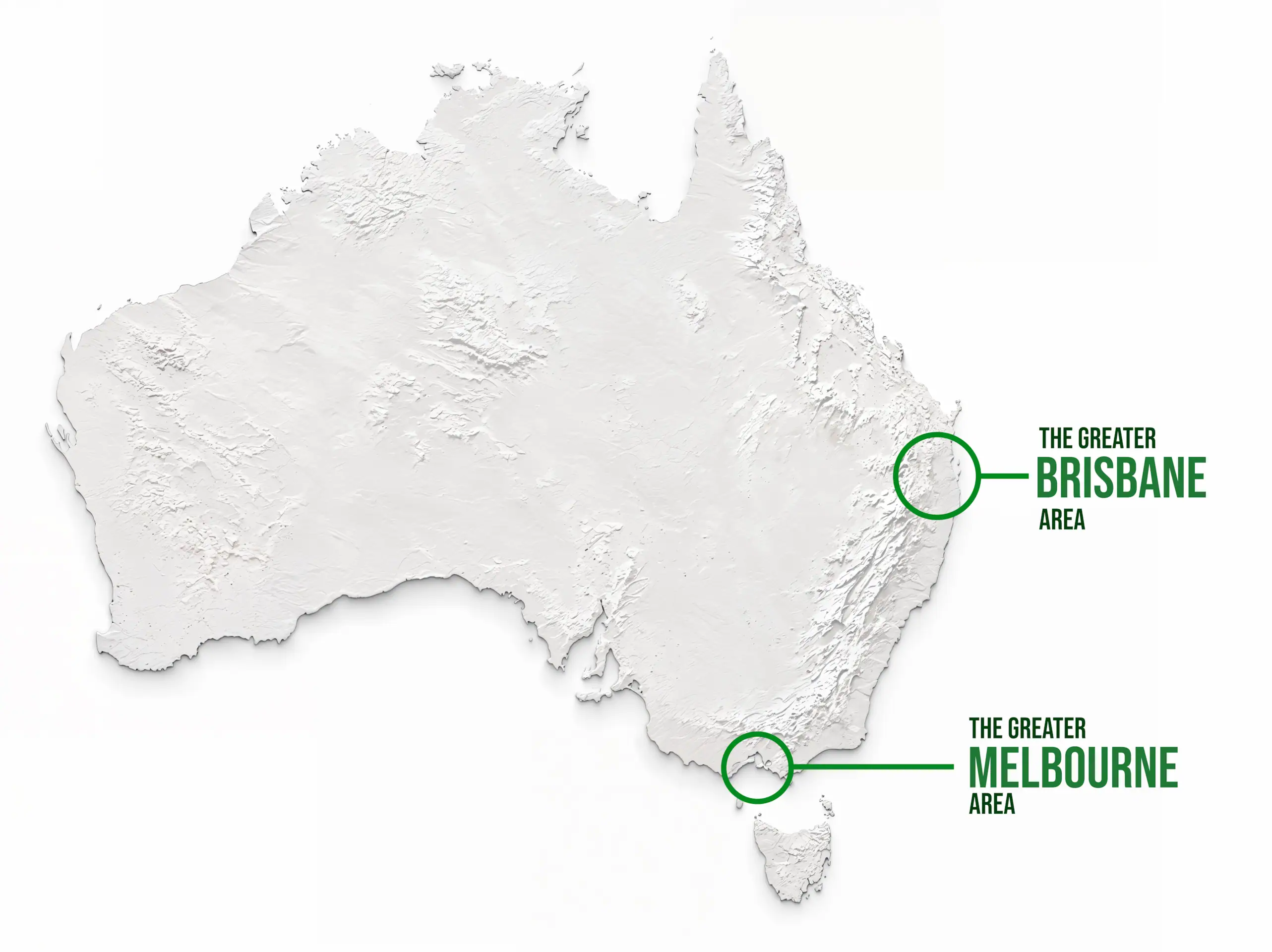
Where we provide this service
Residential Soil Testing is available across the Greater Melbourne area and regional Victoria, plus the Greater Brisbane area as a mobile, BPEQ-registered operation.
- Melbourne & regional Victoria
- Brisbane & South East Queensland
Common questions
How much does residential soil testing cost in Melbourne or Brisbane?
From $700, with a same-day report available in most cases — the exact price depends on block size, access and how many test locations are needed.
Do I need soil testing before I get a building permit?
Yes — building surveyors and councils require an AS 2870 site classification for new residential construction and most extensions before they'll issue a permit, in both Victoria and Queensland.
What soil types cause the most foundation problems around Melbourne and Brisbane?
Reactive clay soils — common across many of Melbourne's growth corridor and western suburbs, as well as much of Greater Brisbane and South East Queensland — expand and contract with moisture and are the leading cause of cracked slabs and footings when foundations aren't designed for the correct site class.