


What it involves
Site classification categorises the ground beneath a proposed building into a standardised class (A, S, M, H1, H2, E or P) under AS 2870–2011, and that single letter drives every footing and slab decision your structural engineer makes. We provide AS 2870 classification across Melbourne, regional Victoria and the Greater Brisbane area, and it matters most on the reactive clay soils common to both regions, where getting the classification wrong means either an over-engineered (expensive) footing system or an under-designed one that cracks.
Applications
- Footing & slab design
- Risk assessment
- Land development
- Construction planning
What you receive
- Class A/S/M/H/E/P report
- Subsurface assessment
- Footing recommendations
Method & standard
AS 2870-2011 framework using DCP/SPT data & lab classification. Carried out to AS 2870 – 2011 by Probegeo's MIEAust-certified engineers.
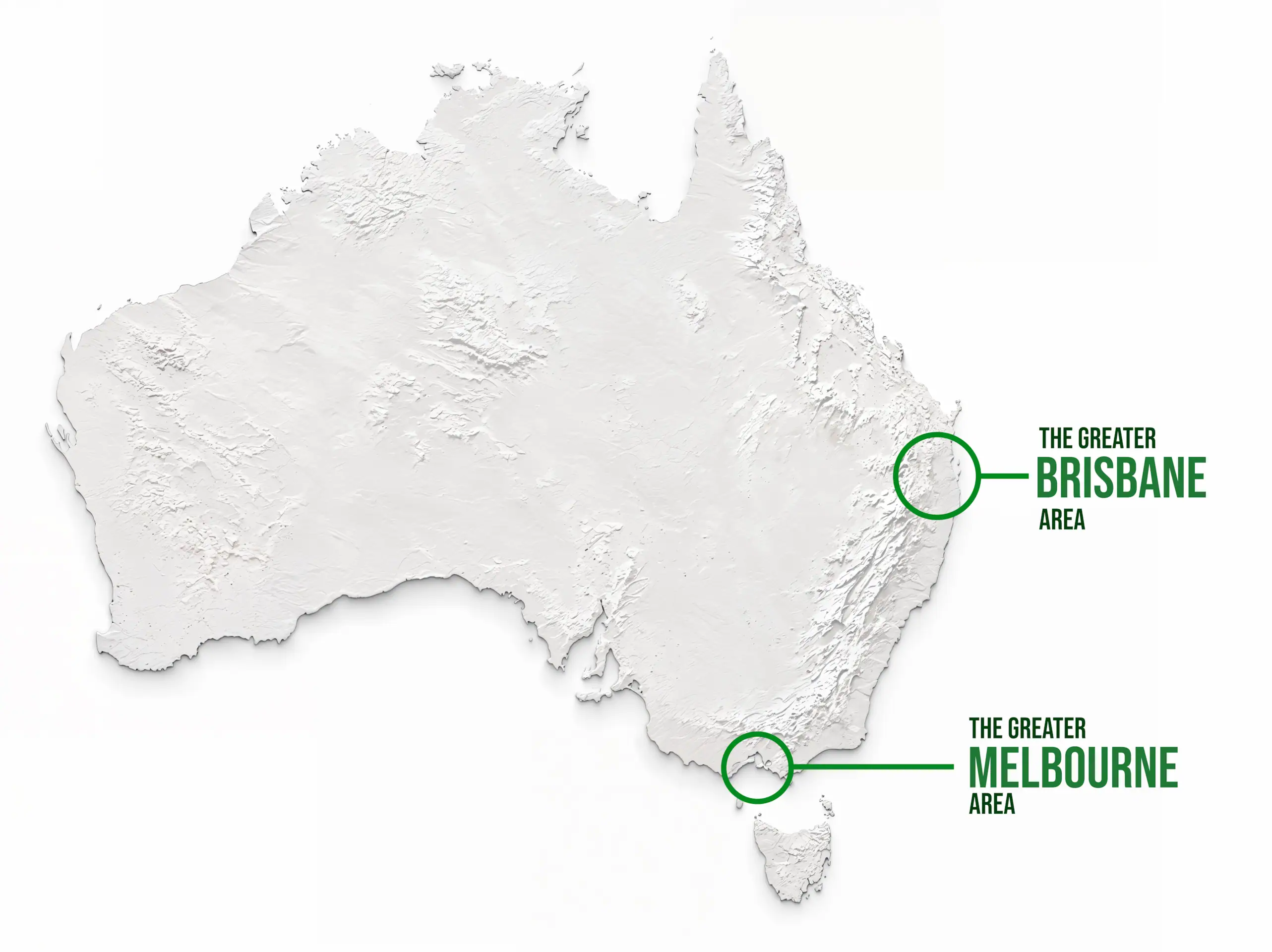
Where we provide this service
Geotechnical Site Classification is available across the Greater Melbourne area and regional Victoria, plus the Greater Brisbane area as a mobile, BPEQ-registered operation.
- Melbourne & regional Victoria
- Brisbane & South East Queensland
Common questions
What do the classification letters (A, S, M, H, E, P) mean?
They rank sites from stable sand/rock (Class A) through to highly reactive clay (Class H1/H2) and extremely reactive or problem sites (Class E/P) — the higher the reactivity, the more robust (and costly) the footing system needs to be.
How is site classification different from a full site investigation?
Site classification is a focused AS 2870 assessment specifically for footing design, using DCP/SPT data and lab classification. A full geotechnical site investigation is broader and also covers groundwater, bearing capacity and general subsurface conditions.
How fast can I get a classification report?
From $500, with a standard 24-hour turnaround once fieldwork is complete.